

History of Indian Railways – 1853 to 2018
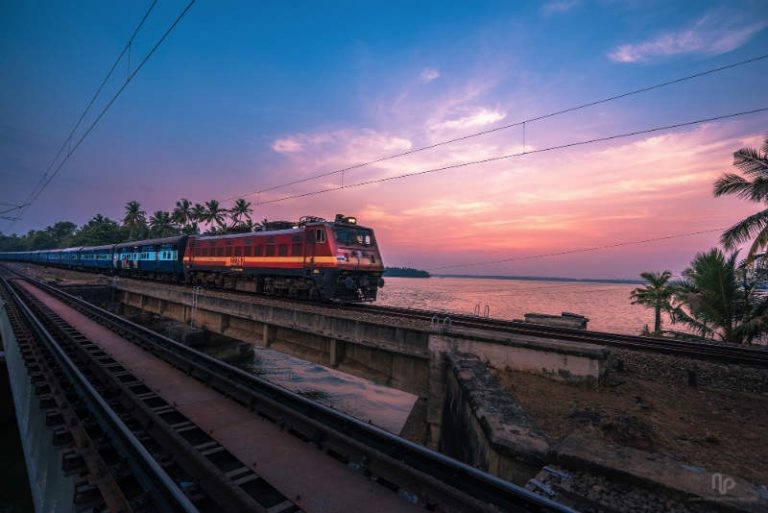
- Admin
- 22 May 2023
Indian Railways is the fourth largest railway system in the world. The system was established in the 19th century and serves thousands of tourists and locals every day. India's first passenger train traveled from Mumbai to Tana, carrying a total of 400 passengers and 1.6 kilometers. From there, Indian Railways has developed into a superpower industry.
Today India is synonymous with transportation, but budget-friendly and the common man is "Indian Railways", where on the one hand we have ordinary railways. Every day, the railway sector in India is making new progress and has many high-speed and luxury trains in India. Now we have moved from simple trains to bullet trains.

History Of Railways
|
Type |
Public |
|
Founded |
16 April, 1853, Amalgamation on 1947 |
|
Headquarters |
New Delhi |
|
Area served |
India |
|
Industry |
Railways and Locomotives |
|
Parent |
Government of India |
Let us dive into the history of Indian rails starting from the mid of 19th century, the colonial time of India under British to today’s Nano technology era of 21th century.
Suggested Read: Train 18 – Interesting Things About India’s Fastest Train
1853 – 1869
Although the concept of railway system entered India in 1850, trains came to India in 1853 only. There were many political barricades to cross in acquiring land, resource, labor and others. The first train had only 14 cars. Controlled by East India Company, the system gradually grew and made additional lines like Calcutta – Delhi, Allahabad – Jabalpur and others. By the end of this era, Indian Railways covered 4000 miles in area.
Check Here Luxury Train Maharajas Express Fare
By 1860, eight railway companies were launched in the country including Eastern India Railway, Madras Railway, Great India Peninsula Company and others. Most of these companies were approved and commissioned by the then kings of India.
Must Read: New Rules Set by Indian Railways for Hassle-free Traveling!
1870 – 1900
This reign liquidated many companies and external contractors were hired for controlling the railway. The length of the railway system reached 9000 miles in this region, mainly around Bombay, Calcutta and Madras. By the end of 1890, the trains started to gain many amenities like toilet, electric lights and others. The mountain trains, now called as the toy trains were first proposed in 1854.
However, the first mountain train started its maiden trip on 1881. The first mountain train of the country is the Darjeeling Himalayan Railways. Later, many other mountain train routes were linked connecting highland towns with the rest of the country. (Source)
First toilets were introduced in the first class coaches in 1891. Only by 1907, the lower classes were provided toilets.
1901 – 1925
By the beginning of this century, Indian Railways started to make profit. Under the rule of Lord Curzon, the railway department started to flourish. East Indian Railways and GIPR were nationalized by the end of this reign.
During the First World War, the service of Indian railways degraded monumentally. The fund and other resources of the railway department were routed to the war needs by the British government in India.
Also Read : Why British Introduced Railways in India?
1925-1946
This era saw the first electrical train. The size of the system grew and started serving an average of 620 million passengers, each year. During the final years of British rule, the railway department was financially crashing as, people preferred wagons instead of rails.
Also Read : 10 Most Busiest Railway Stations in India
1947-1980
After Independence and separation of states, numerous rail routes were built to connect different regions. The first train between India and Pakistan started in 1951. All the trains were electrified and modernized. This was the bloom period for Indian Railways.
In 1982, the first enquiry counter was set up in Mumbai suburban station to indicate the upcoming trains. It was a crude manual system in which the staffs turned the clock hands to denote the next train timing, every 2-3 minutes.
Suggested Read: Indian Railways to Introduce Luxury Coaches with Glass Ceiling
1980-2000
Technology started to gain more momentum and metro system started in India. The major revolution of Indian Railway, luxury train started in India. The run of luxury train started with Palace on Wheels in 1982 by Government of Rajasthan and Tourism department of India.
Must Read: The Origin Of Luxury Trains – How They Started A Revolution
Below, you will find a detailed history of luxury train in India. By 1995, the countrywide network provided reservation and ticketing system to Indian railways.
2000-present day
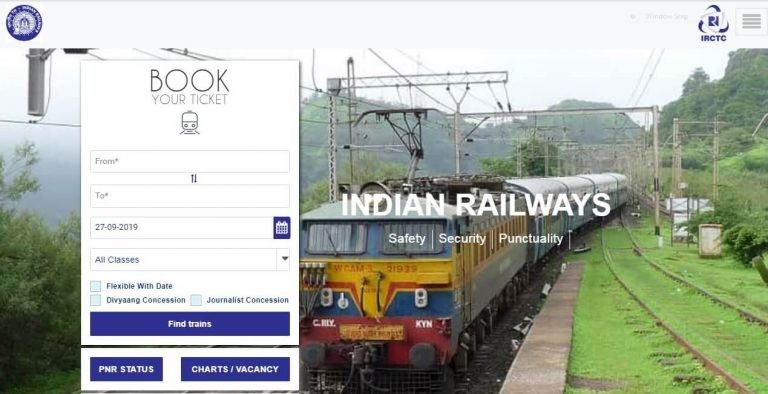
Metros and monorails are thriving within cities. Online ticketing system started in 2000's and is one of the major ways of booking train ticket, today. 4.5 billion km was additionally covered in just ten years (2001-2010). Now, the train tracks cover more than 120,000 km of area in India and special amenities like Wi-Fi, customer information system, ergogenic designs and green technologies have taken Indian Railways to the next level.
Also Read : How To Make Reservation In Indian Railway?
Recent developments of railway system include technological amenities in unreserved class, high horsepower electric locomotive, GPS based passenger information system, sliding doors, private catering services and many others. (Source)
There is always a next step for Indian Railway. By 2019, more than 7000 stations around the world would receive free Wi-Fi service. The technology team is diving deep into finding greener source of powers.
2018 - Forth Largest Rail Network in the World
Today, the Indian Railways manages the track more than 120,000 km of the country. The changing face of Indian Railways is preparing for the future with the much more initiative. The current Rail Minister "Piyush Goyal" of Indian Railways said in May the free WiFi services would be provided at more than 7,000 stations in 2019.
Also Read: World-Class! Indian Railways to Transform Stations into Airport-like Transit Hubs
Indian Railway Zones
|
No. |
Name of Railways |
Abbr. |
Headquarters |
Date Established |
|
|
1 |
Northern Railway |
NR |
Delhi |
14 April, 1952 |
|
|
2 |
North Eastern Railway |
NER |
Gorakhpur |
1952 |
|
|
3 |
Northeast Frontier Railway |
NFR |
Maligaon(Guwahati) |
1958 |
|
|
4 |
Eastern Railway |
ER |
Kolkata |
April, 1952 |
|
|
5 |
South Eastern Railway |
SER |
Kolkata |
1955, |
|
|
6 |
South Central Railway |
SCR |
Secunderabad |
2 Oct, 1966 |
|
|
7 |
Southern Railway |
SR |
Chennai |
14 April, 1951 |
|
|
8 |
Central Railway |
CR |
Mumbai |
5 Nov, 1951 |
|
|
9 |
Western Railway |
WR |
Mumbai |
5 Nov, 1951 |
|
|
10 |
South Western Railway |
SWR |
Hubli |
1 April, 2003 |
|
|
11 |
North Western Railway |
NWR |
Jaipur |
1 Oct, 2002 |
|
|
12 |
West Central Railway |
WCR |
Jabalpur |
1 April, 2003 |
|
|
13 |
North Central Railway |
NCR |
Allahabad |
1 April, 2003 |
|
|
14 |
South East Central Railway |
SECR |
Bilaspur, CG |
1 April, 2003 |
|
|
15 |
East Coast Railway |
ECoR |
Bhubaneswar |
1 April, 2003 |
|
|
16 |
East Central Railway |
ECR |
Hajipur |
1 Oct, 2002 |
|
|
17 |
Konkan Railway† |
KR |
Navi Mumbai |
26 Jan, 1998 |
|
Interesting Statistics about Indian Railways
- Today, more than 14,300 trains run every day. Prior to Independence, there were a mere 42 trains in the country. The total distance covered by all the trains is 3 ½ times the distance between Earth and Moon.
- Indian Railways carry more than 23 million people every day and the system employs more than a million people.
- The longest railway platform of the world is located in Gorakhpur of India (4,483 ft length).
- The longest distance covered by an Indian train is 3,715 km by Vivek Express. It takes 71 hours to complete one journey. The shortest route is covered between Nagpur and Ajni, which is just three km.
- The oldest train of the world, still working is located in India. Fairy Queen of 1855 is still on tracks.
About the Journey of Indian Railways
India's first railway line was laid between Roorkee to Piran Collier during the British period. The first steam engine was used on this railway line. The British had their meaning behind this, but they laid the railway line.
There was a severe drought in the northwestern province of British India between 1837–1838. Currently, this location is known by Uttar Pradesh. Due to the drought, the East India Company had to spend around one crore rupees in relief operations in the North West Province at that time. As a result, the then British government began preparations to build a canal from the Ganges in drought-prone areas.
Indian Railways Construction
The responsibility of constructing this canal was entrusted to Colonel Cottle. The British started preparing, but the path was not easy. Removing the canal over the Sonaliriver en route was a matter of greatest dilemma for the British engineers.
In such a situation, Kottle planned to drain the canal from over the river by constructing the Sonali aqueduct.
British engineers started the construction of the bridge and during the excavation huge amount of debris came out from here. The British planned to dump this debris in Kaliyar, but it was not easy to carry so much debris at that time. The problem was that with horses and mules, it would cost too much time with heavy costs.
In such a situation, Kotel decided to build a railway for this purpose. To this end, he ordered equipment from London.
Experts from London built engines and four wagons in Roorkee itself. British engineers laid the railway line here and on 22 December 1851, the debris with the help of a steam engine on this line was transported to Kaliyar for the first time.
Indian Railway Developments
Indian Railways has introduced various schemes to further improve its services. These plans have been widely inspired. Railways have been upgraded from meter gauge train to broad gauge. Research Design and Standards Organization in Lucknow, which was the largest railway research organization in the world in 1957. It is regularly improving technology as well as signaling coach interiors, systems, layout, track design, etc. For better ride comfort and efficiency.
Indian Railway Services
Day by day many routes are adding in the Indian Railway network and its services. At present time India Railway has a route of more than 66,687 km.
This is about 119,630 km of total track and about 92,081 km of running track. In 2015–2016, it was estimated that around 13,313 passenger trains are operated daily by the Indian Railways. Indian Railways has developed several types of trains for passengers. They are heritage train or toy train on narrow gauge hill section, luxury train, express train or long-distance train, metro railway or underground rail system like Kolkata Metro and Delhi Metro, etc.
Indian Railway Opportunity
At present, there are 17 Indian railway zones and a total of 69 divisions are divided under them. Indian railway stations are being given the size of larger campuses and apart from having common facilities like retiring rooms and restaurants, they are now included in large office areas. Bridges on platforms are now being replaced by underground passageways, which provide more space. Indian Railways is improving and enhancing the adoption of world-class standards to provide all possible facilities to the passengers.
The fastest train in India at present is Vande Bharat Express.
Budget-Friendly Ride, Train and its Ticket
Indian Railways is possibly the cheapest railway in the world. The fare is charged by the railways at the rate of 10 paise per km, while the fare in buses is around 10 times more i.e. Rs 1 per km. This is the reason that trains are very crowded due to being in budget. People are packed in compartments. There is no vacant space in any category during the festival of war and marriage and summer vacation. Waiting becomes very long
Three types of Trains and their Facilities
Generally, 3 types of trains are run for public convenience. These are - Passenger, Express and Mail (Express).
From these trains, the passenger train fare is the lowest. Express costs more than that and Mail (Express) charges the highest.
General bogie (second class) fare is the lowest, while in sleeper it is more and AC fare is the highest.
General bogey has simple facilities. The sleeper has some good and sleeping facilities from the general, while the AC coach provides 'A' class facilities including air conditioning.
History of Luxury Trains in India

Trains were introduced to India by British. Back then, every train had a luxury saloon for the royals of the land and British rulers. The trains never belonged to any of the kings of India. However, the royal saloons were dedicated to the blue bloods of the land. The locals were never allowed to board in this luxury saloon. The most prestigious luxury train of the country during British Rule is the Indian Imperial Mail. It ran between Calcutta and Bombay.
In 1933, this luxury train was put on track for a four-week itinerary covering Calcutta (former Kolkata), Darjeeling, Benaras (former Varanasi), Lucknow, Cawnpore (now Kanpur), Agra, Delhi, Lahore (now in Pakistan), Amritsar, Peshawar (now in Pakistan), Jaipur, Udaipur and Bombay (now Mumbai). Later, 7 days long itinerary and ten days long itineraries were also provided. Many regular trains also started to have a few tourist saloons in them, later.
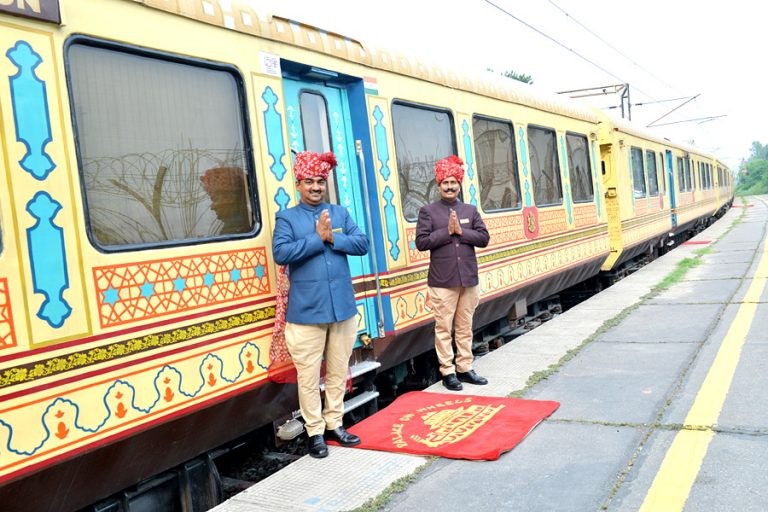
After Independence, these luxury saloons were left to rust as the kingdom rule fell in the country. During 1980's, the government of Rajasthan took an initiative to re-use these luxury saloons to create the first tourism luxury train Palace on Wheels to promote tourism in Rajasthan. Today, the Palace on Wheels provide a much clarified and tuned itinerary in just eight days and seven nights.
Check out the link to book Palace On Wheels Tickets
Frequently Asking Questions
Q. Who founded the Indian Railways?
A. Indian Railways was found by Sir Jamsetjee Jejeebhoy. The association was built with the partnership of Hon. JagannathShunkerseth in 1845.
Q. When was the railway introduced in India?
A. In 16 April 1853, the first Indian passenger train was run from BoriBunder to Thane with 400 people. The train was carrying 14 carriage.
Q. Why was British railway introduced in India?
A. British believed that Railway will help in the economic development of India. According to them, it provided them the market for British goods and it also became a source of raw materials.
Q. Who laid the first railway line in India?
A. The first Railway line was laid between Bombay to Thane on 16th April 1853, is said to be laid by Lord Dalhousie.
Q. Who is the founder of the train?
A. The train was invented by Richard Trevithick in 1804, he was a British engineer. He was born in Cornwall. Later George Stephenson gave train infrastructure and called as the father of train.
Q. What year did Indian Railways start?
A. 16 April 1853. From Mumbai (BoriBunder) to Thane. Till now Indian Railways has celebrated 165 year of success.
Q. Who is known as the father of Indian Railways?
A. Lord Dalhousie, former Governor-General of India is known as the father of Indian Railways.
Q. Which was the first railway in India?
A. The name of the first Railway in India is Sahib. It ran between Mumbai to Thane carrying 14 carriage and 400 passengers. It had 3 locomotive steam: Sahib, Sindh and Sultan.
Q. When was the first train ran in India?
A. Roorkee to PiranKaliyar on December 22, 1851, was the first ever train ran in India. This train was the goods train only. It was used to supply clay from Priam Kaliyar to Roorkee, which is at 10 km distance from each other.
Q. When did the first electric train run in India?
A. February 3, 1925, between Bombay to Kurla in distance of 16kms.
Q. When were different Zones created in Indian Railways?
A. In 1951 when legislation was passed for the Central Government allowing them to take over an independent railway system.
Further Read:
- Indian Railways to Introduce Shri Ramayana Express
- Indian Railways is Getting World-Class with Train 18
- Indian Railways to Launch Fastest Trains in India – Train 18 & Train 20
- Tejas Express Offers Luxury Train Travel from Chennai And Madurai
- Ramayana Express Trains for Madurai, Rajkot and Jaipur